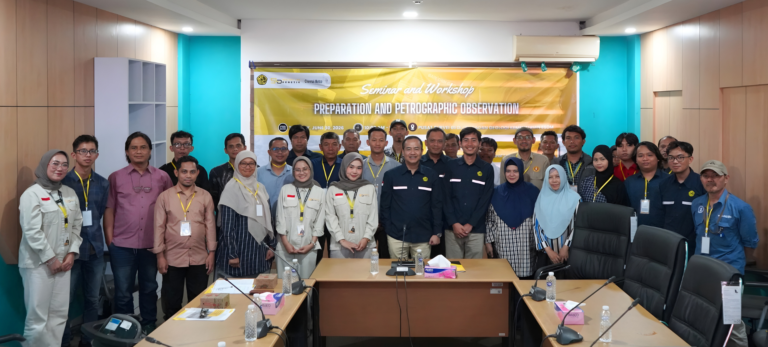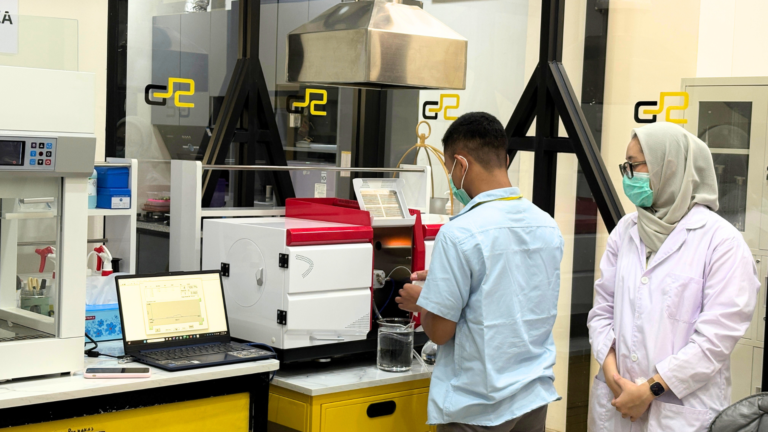
Amidst the rapid advancement of biomedical research methodologies, data accuracy and animal welfare have become two inseparable pillars. Addressing these critical challenges, a seminar and workshop titled “Non-Invasive Blood Pressure Measurement in Rodents” was successfully conducted by PT. Sentral Lab Genetik. This event held at the Head Office of PT. Sentral Lab Genetik, April 17th, 2026. To acknowledge the audience about the non-invasive blood pressure (NIBP) for rodents, we collaborated with ADInstruments.
The event gathered researchers, academics, and laboratory technicians from various institutions focusing on cardiovascular studies, pharmacology, and laboratory animal science. The primary focus of this workshop was to dissect the technology behind non-invasive blood pressure monitoring in rodents (rats and mice) utilizing specialized systems from ADInstruments.
Understanding the Volume Pressure Recording (VPR) Principle
One of the main highlights of the material presented by Vaishnavi Devi from ADInstrument, was the introduction of the Volume Pressure Recording (VPR) method. Historically, measuring blood pressure in small animals has faced significant technical hurdles, particularly high animal stress levels and severe moving artifacts (signal noise) caused by animal movement.
The VPR method eliminates the traditional limitations of photoplethysmography or piezoelectric transducers, which are highly sensitive to the subtle movements of unanaesthetised animals.
Unlike traditional pulse-sensor methods, the VPR principle operates by physically measuring the actual blood volume changes in the animal’s tail using a specially designed differential pressure transducer.
The mechanism of Rodent NIBP measurement via VPR follows a sequence of automated phases:
- Automated Occlusion: An occlusion cuff placed at the base of the tail inflates smoothly to temporarily interrupt blood flow to the tail.
- Deflation and Volume Recording: As the cuff deflates gradually, a sensitive VPR sensor located distal to the occlusion cuff detects the physical swelling of the tail (tail swelling) as blood begins to flow back.
- Parameter Determination: This subtle physical volume change is then precisely translated by the system into Systolic, Diastolic, and Mean Arterial Pressure (MAP) data, alongside the animal’s individual heart rate.
Reducing Moving Artifacts for High Data Validation
In this workshop, it explained why VPR is widely considered the new gold standard in non-invasive monitoring. The primary advantage of the VPR method is its exceptional ability to reduce moving artifacts.
Because the sensor does not rely on mechanical pulse detection, which easily shifts when a rodent move. VPR delivers stable and highly reproducible readings even on tiny mice weighing as little as 8 grams. This artifact reduction ensures that data variations reflect true physiological responses to treatments or drugs rather than mechanical tool stress.
This efficient non-invasive method has proven to exhibit high correlation and validation data when compared directly to invasive monitoring methods such as direct circulatory catheterization or wireless telemetry.
Acknowledgements
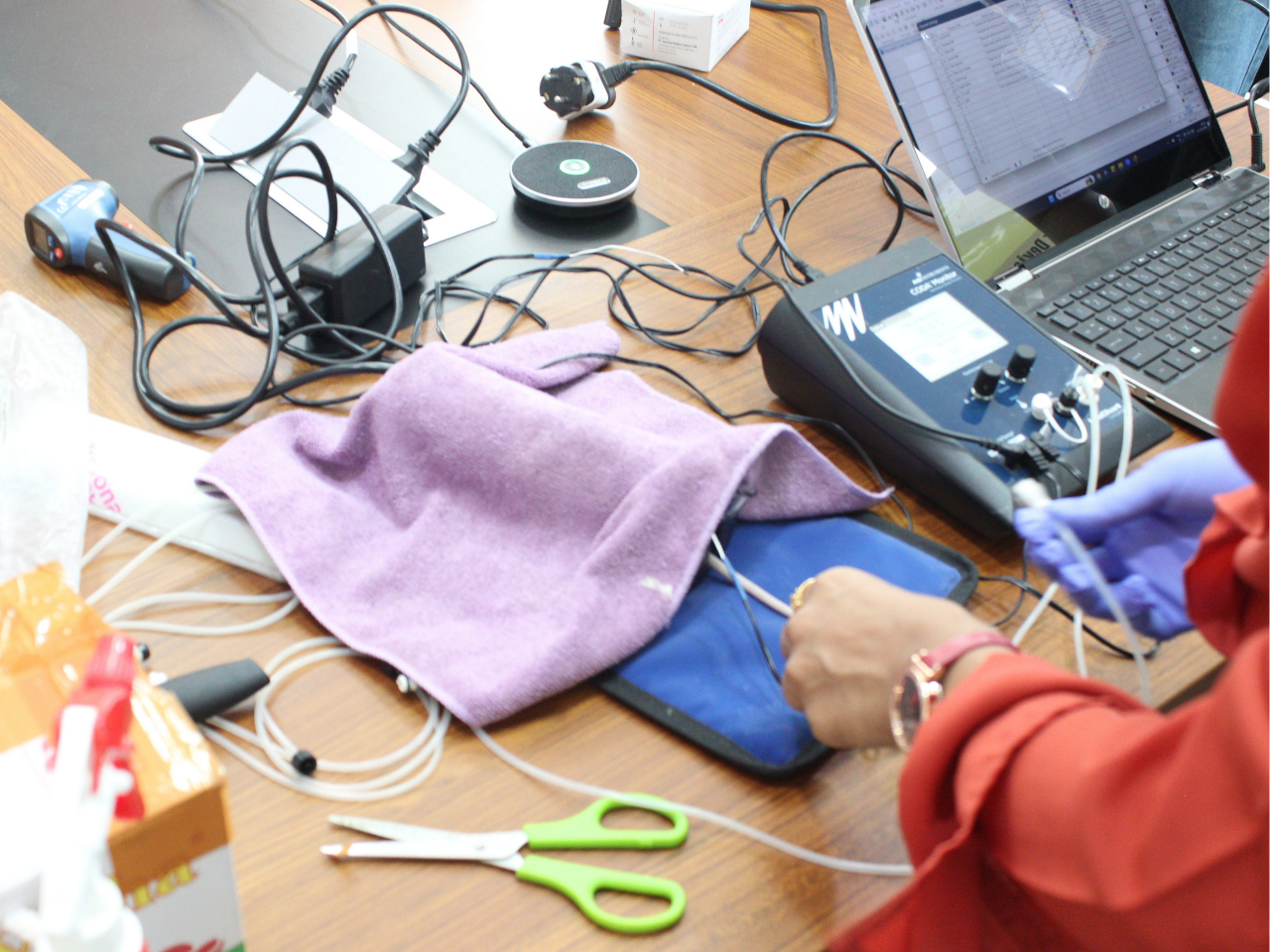
Overall, the workshop provided not only a strong conceptual understanding but also valuable practical insights into modern physiological monitoring technologies. Systems such as the ADInstruments CODA® Monitor, integrated with LabChart analysis software, successfully demonstrated how advanced cardiovascular monitoring can bridge fundamental laboratory research with future real-world wearable health-monitoring applications.
We would like to express our sincere gratitude to ADInstruments for their support and contribution to this workshop, as well as to all participants for their enthusiasm and active participation throughout the event.