Bekasi, May 21, 2026 – PT Sentral Lab Genetik recently held an Atomic Absorption Spectrophotometer (AAS) Hands-On Training to help laboratory professionals strengthen their understanding of metal analysis and gain practical experience with AAS instrumentation.
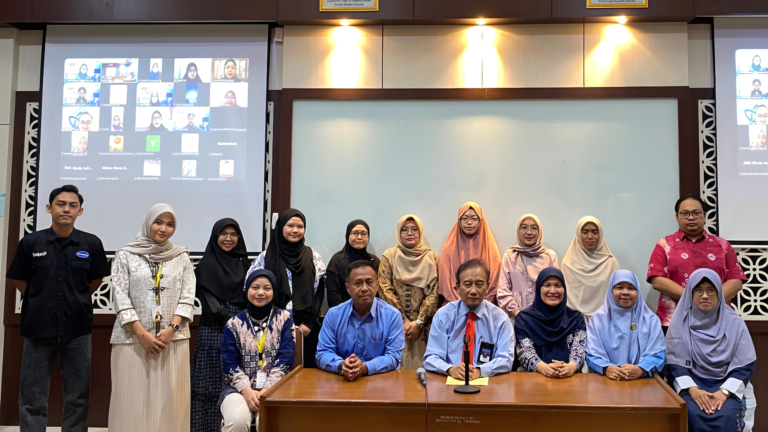
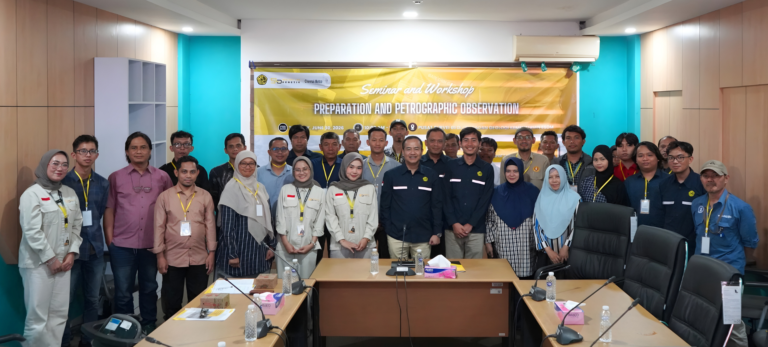
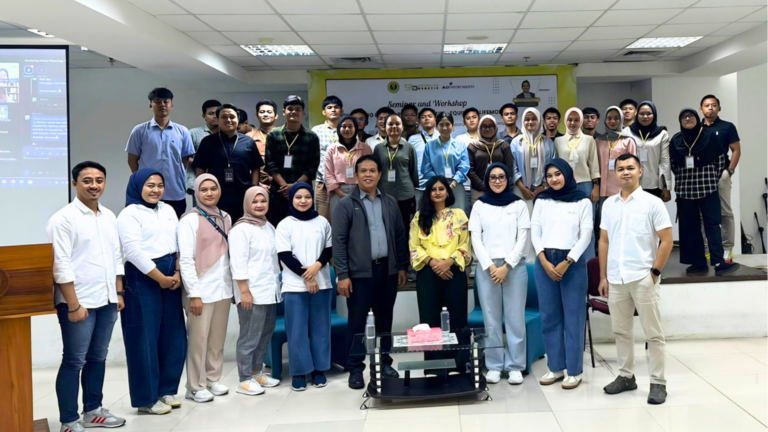
The training brought together participants from several Regional Health Laboratories. The event provided an excellent opportunity for participants to expand their technical knowledge, exchange experiences, and explore best practices in metal analysis.
Introduction to AAS and Its Working Principles
The training began with an overview of Atomic Absorption Spectrophotometry (AAS), one of the most widely used analytical techniques for the quantitative determination of metal elements in various sample matrices. Participants gained a fundamental understanding of the AAS working principle, from sample atomization to absorbance measurement, which forms the basis for accurate metal concentration analysis.
In addition to the theoretical background, the session introduced the key components of an AAS system and their respective roles in the analytical process. Participants also learned about the broad applications of AAS across environmental, public health, food, pharmaceutical, and industrial laboratories where metal testing has a critical value.
Keeping The Instrument Performing at Its Best
To help participants maximize instrument performance, the training also included a session on routine instrument maintenance and troubleshooting. Participants were introduced to routine inspection procedures and preventive maintenance practices required to ensure optimal instrument performance. Topics included burner and nebulizer inspection, gas supply monitoring, lamp condition verification, and other critical operational checks.
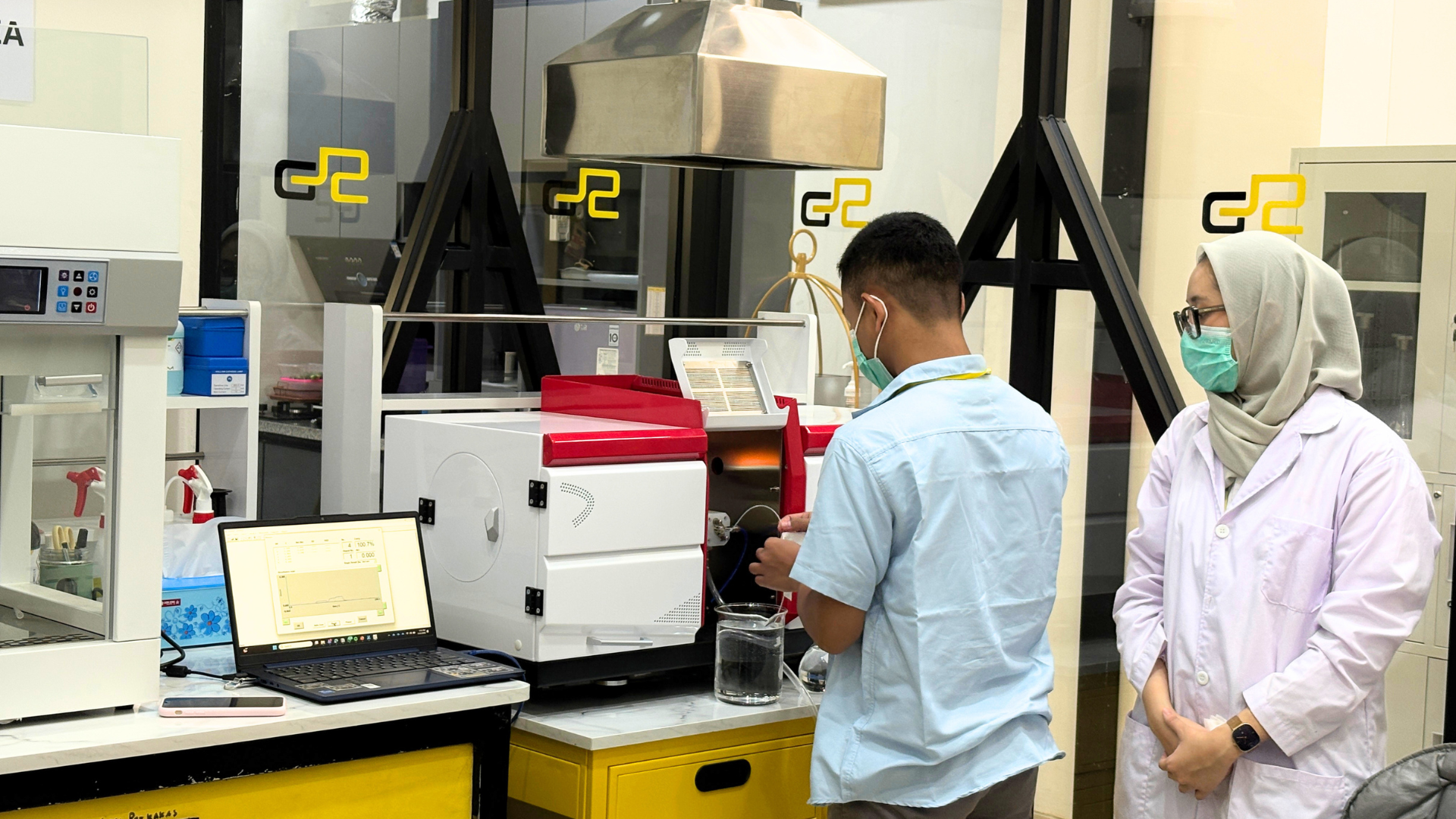
One of the highlights of the training was the live demonstration of the AA-1800C Atomic Absorption Spectrophotometer by MacyLab Instrument, equipped with a Flame Atomizer. During the demonstration, participants were guided through the complete analytical workflow, including instrument setup, parameter configuration, and sample measurement procedures. This gave them a clear understanding of how the instrument operates in a real laboratory environment.
The learning experience became even more engaging during the hands-on session. Each participant had the opportunity to operate the instrument individually under the guidance of the instructor and perform sample measurements firsthand. By working directly with the system, participants gained practical experience that went beyond theory, helping them develop greater confidence in instrument operation and data interpretation.
Interactive Learning and Knowledge Sharing
Throughout the training, participants actively engaged in discussions, shared laboratory experiences, and exchanged insights on analytical challenges and best practices.
The combination of technical presentations, live demonstrations, and hands-on practice created an interactive learning environment that encouraged both knowledge sharing and skill development.
At PT Sentral Lab Genetik, we believe that practical experience is just as important as theoretical knowledge. Through programs like this AAS Hands-On Training, we remain committed to supporting laboratories in developing the skills and confidence needed to achieve accurate, reliable, and high-quality analytical results.